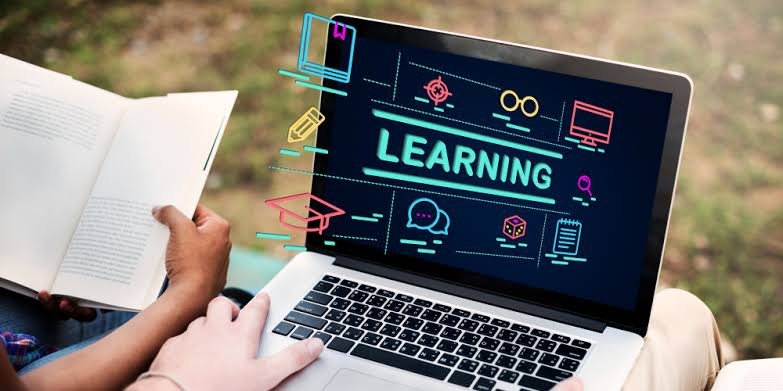
A few months back, my neighbour’s daughter was preparing for her board exams entirely through a mix of YouTube lectures and an app-based test series. No tuition, no classroom. Just a phone, a laptop, and a lot of self-discipline. That got me thinking — is digital education actually replacing the traditional classroom, or is it just supplementing it?
In 2026, this question matters more than ever. Schools, colleges, and even government bodies are pushing digital education as the future. But like most things that sound too good, it comes with its own baggage. Let’s break it down honestly, not like a brochure.
What Exactly Counts as Digital Education?
Digital education simply means learning through electronic devices and the internet — apps, recorded lectures, live online classes, e-books, and interactive tools. It’s not one single thing; it’s a whole ecosystem now.
Quick answer: Digital education refers to any form of learning delivered through digital tools like apps, videos, or online platforms instead of, or alongside, physical classrooms. It includes everything from YouTube tutorials to full online degrees.
It ranges from a 10-minute YouTube video explaining trigonometry to a full-fledged online MBA from a university you’ll never physically visit. Both fall under the same umbrella, even though the experience is completely different.
The Real Advantages of Digital Education
I’ll be honest — I was skeptical of online learning until the pandemic forced everyone’s hand. But some benefits genuinely stuck around:
- Flexibility of timing — you can learn at 6 AM or 11 PM, whatever suits your routine
- Access for remote areas — a student in a small town in Bihar can now access the same lecture as someone in Delhi
- Cost savings — many digital courses cost a fraction of offline coaching
- Repeatability — you can rewind a confusing concept as many times as you need, something a physical classroom just doesn’t allow
For working professionals especially, digital education has been a genuine game changer (okay, I said it, but it’s true here). Someone doing a 9-to-6 job can still finish a certification course at night.
The Downsides Nobody Talks About Enough
Here’s where I’ll disagree with the overly optimistic take you see everywhere. Digital education isn’t perfect, and pretending otherwise does students a disservice.
Screen fatigue is real. Ask any student who’s sat through six hours of back-to-back online classes — by hour four, most of them have mentally checked out, even if their camera is on.
Then there’s the discipline problem. Not everyone has the self-motivation to study without a teacher physically present. I’ve seen bright students struggle simply because there was no one to nudge them when they got distracted.
A few more issues worth mentioning:
- Poor internet connectivity in tier-3 and rural areas still limits access
- Lack of hands-on practical exposure in science and technical subjects
- Reduced peer interaction, which affects soft skills and social learning
- Certificate credibility varies wildly — not all online courses are recognized by employers
Digital Education vs Traditional Classroom — Which Wins?
Honestly? Neither wins outright. It depends on the subject and the learner. A theory-heavy subject like history or economics adapts beautifully to digital education. But something like chemistry lab work or dance training? Good luck doing that meaningfully through a screen.
Picture a small business owner in Jaipur who wants to learn digital marketing. For him, an online course makes total sense — flexible, affordable, practical. But picture a 10-year-old learning to read for the first time. That child probably needs a real teacher in the room.
How Schools in India Are Adapting
Indian schools have started blending both models — what people now call “hybrid learning.” CBSE and several state boards have pushed digital content through platforms like DIKSHA, and many private schools use apps for homework and assessments alongside regular classes.
[link to related guide on NEP 2026 school education changes here]
This hybrid approach seems to be the most sensible middle ground for now, at least in 2026, rather than going fully digital or fully traditional.
Tips for Making Digital Education Actually Work
If you or your child is relying heavily on digital education, a few practical things help:
- Set a fixed study schedule, even if it’s flexible in theory
- Take short breaks every 45-50 minutes to avoid screen fatigue
- Choose platforms with quizzes or assignments, not just passive video watching
- Combine digital learning with at least some offline practice, especially for numerical subjects
Is Digital Education Right for Your Child?
Quick answer: Digital education works best as a supplement, not a full replacement, especially for younger children. For working professionals and adult learners, it can be the primary mode of learning if paired with self-discipline.
There’s no one-size-fits-all answer here, and anyone who tells you otherwise is probably selling something.
FAQs About Digital Education
Is digital education better than traditional classroom learning? Not necessarily better — just different. It works well for flexible, theory-based learning but struggles with hands-on subjects and younger learners who need more structure.
What are the main disadvantages of digital education? Screen fatigue, lack of internet access in rural areas, reduced social interaction, and inconsistent course quality are the biggest concerns.
Can digital education fully replace schools in India? Not in the near future. Most experts and even government policy currently favour a hybrid model rather than a full switch.
Is online learning recognized by employers in India? It depends on the platform and course. Courses from recognized universities or platforms like UGC-approved ones carry more weight than random certificate courses.
How can students stay motivated during digital education? Fixed routines, accountability partners, and short, focused study sessions tend to help far more than long, unstructured screen time.
Is digital education expensive in 2026? Generally, it’s cheaper than offline coaching, though premium certification courses from top universities can still be costly.
Conclusion
Digital education isn’t a magic fix, and it isn’t a passing trend either — it’s somewhere in between. It works brilliantly for some students and situations, and falls short in others. If you’re a parent, don’t assume more screen time automatically means better learning. If you’re a student, be honest with yourself about whether you actually have the discipline for it. Try one online course before committing fully, and see how it genuinely fits your routine.