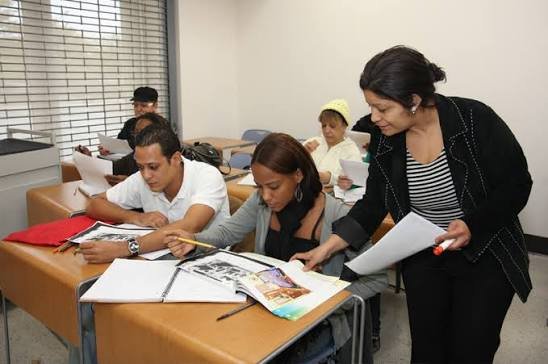
While volunteering briefly at a community center a couple of years ago, I got to see firsthand how an adult literacy program actually runs — and it was nothing like the vague government scheme description I’d imagined beforehand. It’s far more structured and genuinely impactful than most people realize.
What Exactly Is an Adult Literacy Program?
Quick answer: An adult literacy program in India is a structured educational initiative aimed at teaching basic reading, writing, and numeracy skills to adults who missed formal schooling, often combined with functional life skills and vocational training components.
These programs target adults, typically above 15 years, who never had access to or completed basic education during childhood.
Key Government Initiatives Driving Adult Literacy
- New India Literacy Programme (NILP) — the current central government scheme focused on foundational literacy and numeracy, alongside critical life skills, financial literacy, and digital literacy
- State-level literacy missions — many states run their own supplementary programs tailored to local needs and languages
- NGO-driven initiatives — organizations across India run community-based literacy programs, often filling gaps government programs don’t fully cover
I’ve noticed NILP’s inclusion of digital literacy is a genuinely important update compared to older schemes — basic smartphone and digital payment literacy has become almost as essential as reading and writing in daily life now.
How These Programs Are Structured
Most adult literacy programs follow a phased approach:
- Foundational literacy and numeracy — basic reading, writing, and simple arithmetic, usually the first phase
- Critical life skills — financial literacy, digital literacy, health and hygiene awareness, legal rights awareness
- Vocational skills training — practical skills that can support income generation, tailored to local employment opportunities
- Continuing education — for those who wish to pursue further basic education after achieving initial literacy
This layered structure means the goal isn’t just “teaching someone to read” — it’s building broader functional capability for daily life and, where possible, economic opportunity.
[link to related guide on tips to restart studies after 30 here]
Who Actually Benefits from These Programs?
Quick answer: Adult literacy programs primarily benefit adults, especially in rural and economically disadvantaged communities, who missed formal schooling due to poverty, early marriage, family responsibilities, or lack of access to schools during childhood.
Women, in particular, form a significant portion of participants in most literacy programs, often due to historically lower female literacy rates in several regions.
How to Access an Adult Literacy Program
If you or someone you know wants to join one:
- Check with the local panchayat or municipal office for ongoing NILP or state literacy mission centers
- Contact local NGOs working in education, many of which run free literacy classes
- Visit Anganwadi centers or community learning centers, which often serve as local literacy program hubs
- Check state education department websites for registration details and nearby center locations
Challenges These Programs Still Face
Being honest here — implementation isn’t perfect everywhere.
- Inconsistent attendance due to competing work and family responsibilities among adult learners
- Limited availability of trained instructors in remote or rural areas
- Funding and resource gaps affecting program continuity in some regions
- Social stigma some adults feel about admitting they’re learning to read for the first time
Picture a woman in her 40s attending evening literacy classes after a full day of household and farm work — the commitment required from participants is genuinely significant, and programs that acknowledge this with flexible timing tend to see better outcomes.
The Real Impact Beyond Just Reading
Adult literacy genuinely changes daily life in ways that go beyond academic measurement — being able to read medicine labels, understand bank documents, help children with homework, or navigate digital payment apps independently. These practical, everyday impacts are often more meaningful to participants than the literacy certificate itself.
FAQs About Adult Literacy Programs in India
What is the New India Literacy Programme (NILP)? It’s the current central government scheme aimed at achieving foundational literacy, numeracy, and essential life skills for adults across India.
Who is eligible to join an adult literacy program? Generally, any adult above 15 years who missed formal schooling or lacks basic literacy skills can join these programs.
Are adult literacy programs free in India? Most government-run programs, including NILP, are free, though some NGO-run programs may have minimal or no fees depending on funding.
How long does it take to complete basic literacy through these programs? It varies by individual pace and program structure, but foundational literacy is often achieved within several months to about a year.
Do adult literacy programs include digital skills training? Yes, newer programs like NILP specifically include digital literacy as a core component alongside traditional reading and writing skills.
How can I find an adult literacy program near me? Check with local panchayat offices, state education department websites, or local NGOs working in community education for nearby centers.
Conclusion
Adult literacy programs in India have evolved significantly from older, narrower schemes into more holistic initiatives covering literacy, digital skills, and practical life competencies. If you know someone who could benefit, encourage them to reach out to local government or NGO resources — the barriers to starting are often smaller than people assume, and the practical impact on daily life is genuinely significant.